


We support individuals to access higher education through our grant programmes and drive improvement of the higher education system through strategic projects and partnerships.
The Carnegie Trust for the Universities of Scotland was established as an independent not-for- profit foundation in 1901, through an initial endowment of $10 million in bonds, donated by the philanthropist and industrialist Andrew Carnegie. The Trust was founded by a Trust Deed in the summer of 1901 and incorporated by Royal Charter in 1902.

Carnegie Education Fund is the new operating name for The Carnegie Trust for the Universities of Scotland (SC015600)
Our Royal Charter, which was last updated in 2024, confers wide powers on our Trustees to determine the appropriate use of our income in line with this purpose.
To commemorate the 125th anniversary of the Trust we recently published a new five-year strategic plan, and launched our new operating identity – Carnegie Education Fund.
The Plan has been produced following time spent reflecting on, and reconnecting with the Trust’s founding vision and values and asking ourselves what Carnegie might do if faced with today’s higher education landscape.
At its heart is a vision of the Trust as an independent, evidence‑driven voice in higher education — one that supports and champions students, amplifies under‑represented voices and brings objectivity and ideas to debates about the future of higher education in Scotland.
We’ll be renewing our website over the next couple of months. In the meantime, to find out more about our reasons for changing and download a copy of our Strategic Plan you can visit our transition page.
Our
History
The Carnegie Trust for the Universities of Scotland was established as an independent not-for- profit foundation in 1901, through an initial endowment of $10 million in bonds, donated by the philanthropist and industrialist Andrew Carnegie. The Trust was founded by a Trust Deed in the summer of 1901 and incorporated by Royal Charter in 1902.
In the Trust Deed, Carnegie defined its purpose as:
“to support the improvement and expansion of the Universities of Scotland and the provision of support for those ‘deserving and qualified’ students attending these universities for whom the payment of fees might act as a barrier.”

as an independent not-for- profit foundation in 1901, through an initial endowment of $10 million in bonds, donated by the philanthropist and industrialist Andrew Carnegie. The Trust was founded by a Trust Deed in the summer of 1901 and incorporated by Royal Charter in 1902.

During the first half of the 20th Century, the Trust also funded a broad range of activities including the construction of lecture theatres, laboratories, university libraries and student residences.
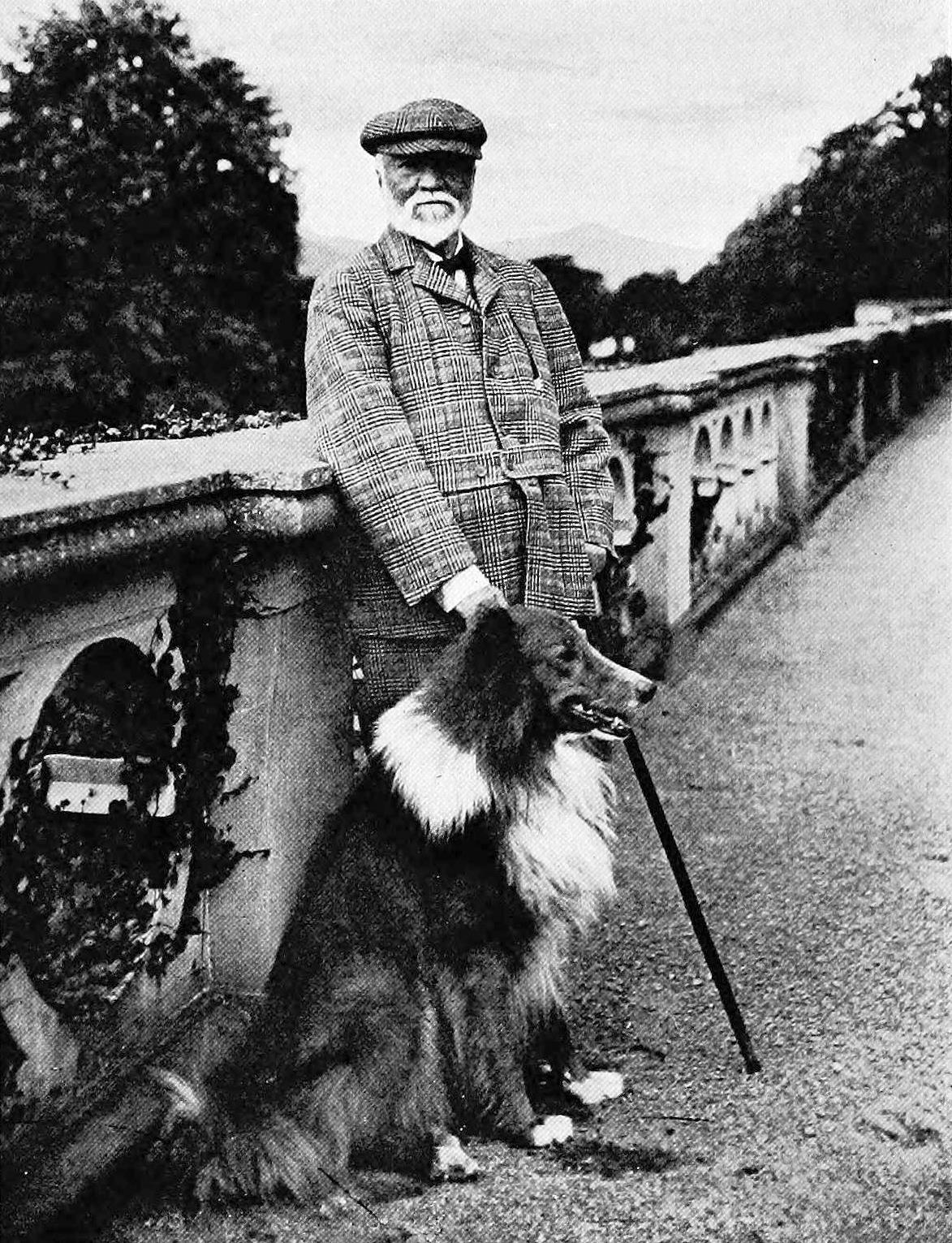
in the second half of the century, the Trust continued to provide grants for tuition fees to those who were ineligible for public support, focusing on those facing financial hardship. It also continued to support to the advancement of knowledge in universities through research grants, scholarships and fellowships including new grant schemes for expeditions and publications.
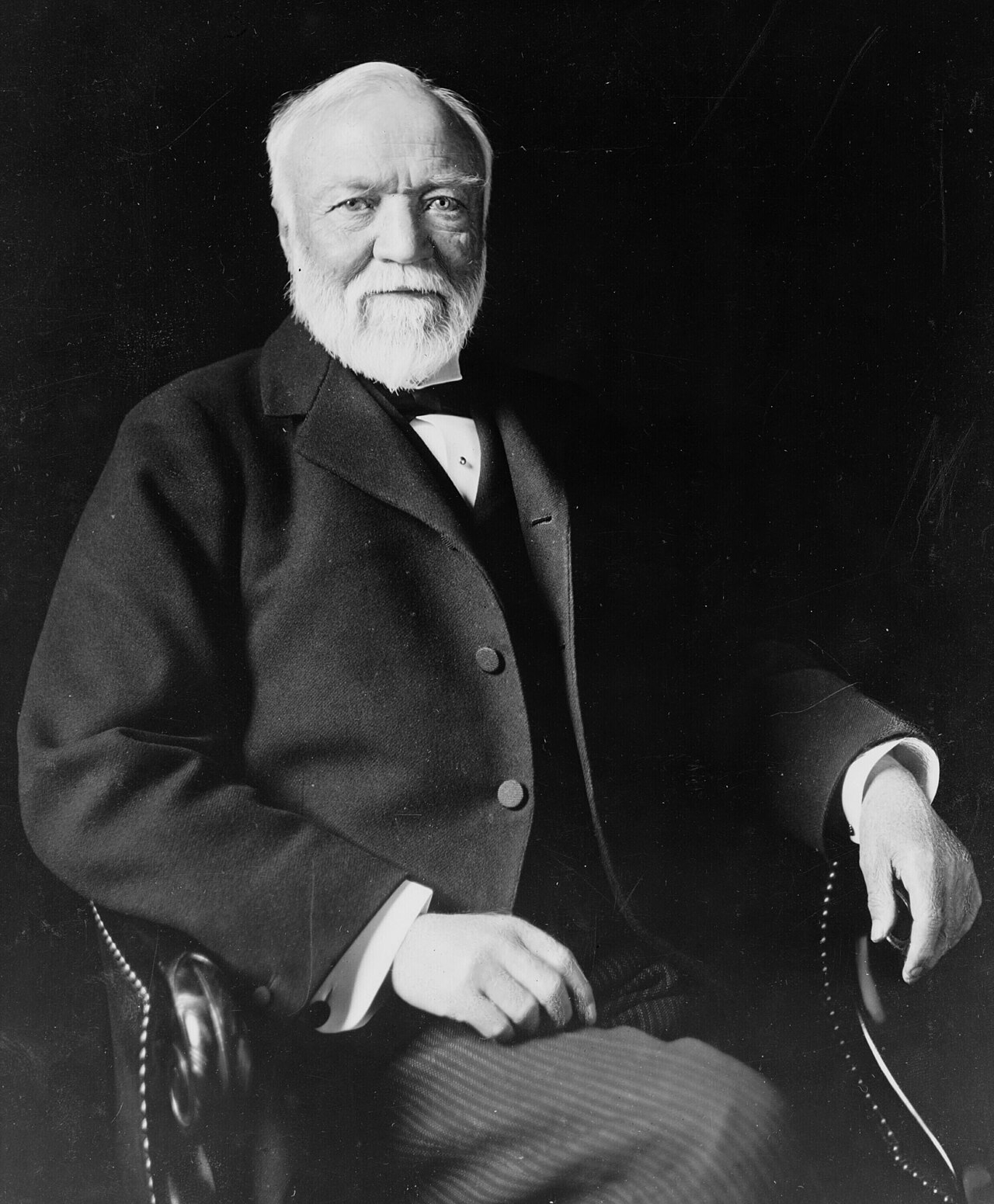
to access higher education in colleges and universities through tuition fee payments and many more through research and publication grants and scholarships. This funding has transformed lives. You can read more about our grantees in our Alumni Stories catalogue.
2023
In 2023 we commissioned Dr Catriona Macdonald, Reader in Late Modern Scottish History at the University of Glasgow, to research the Trust’s contribution to the development of higher education in Scotland and the impact of our grants. Catriona’s research will be shared as part of an exhibition in our 125th anniversary year and through blogs on our website.